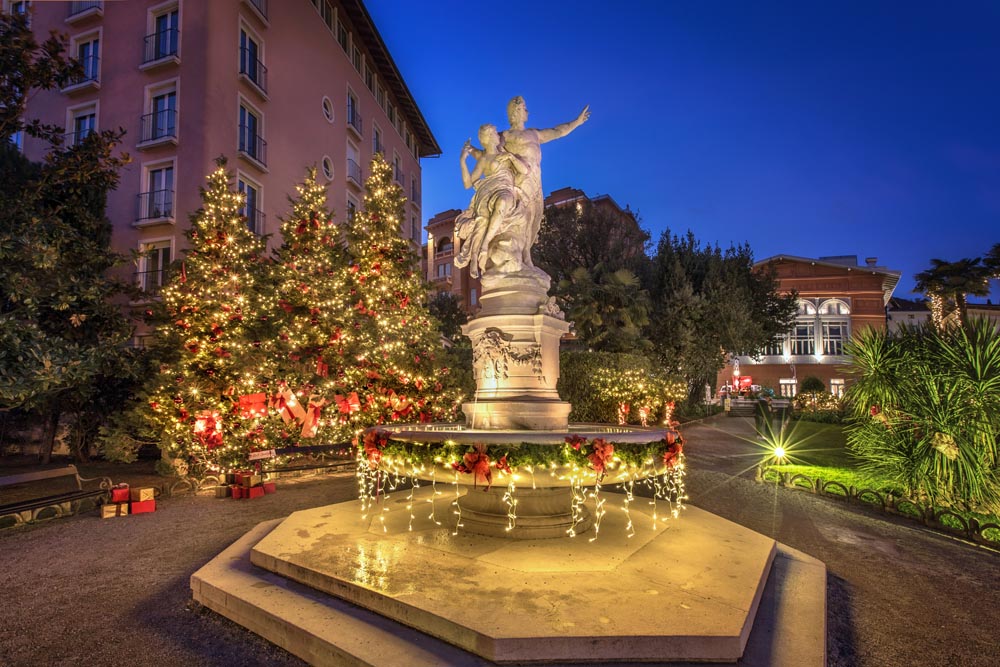
St. James Park & the fountain of Helios and Selene
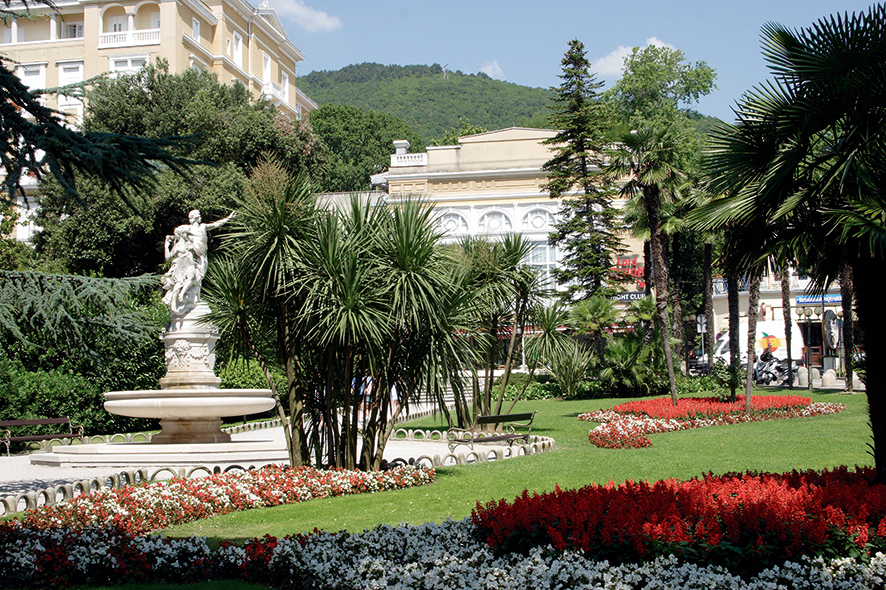
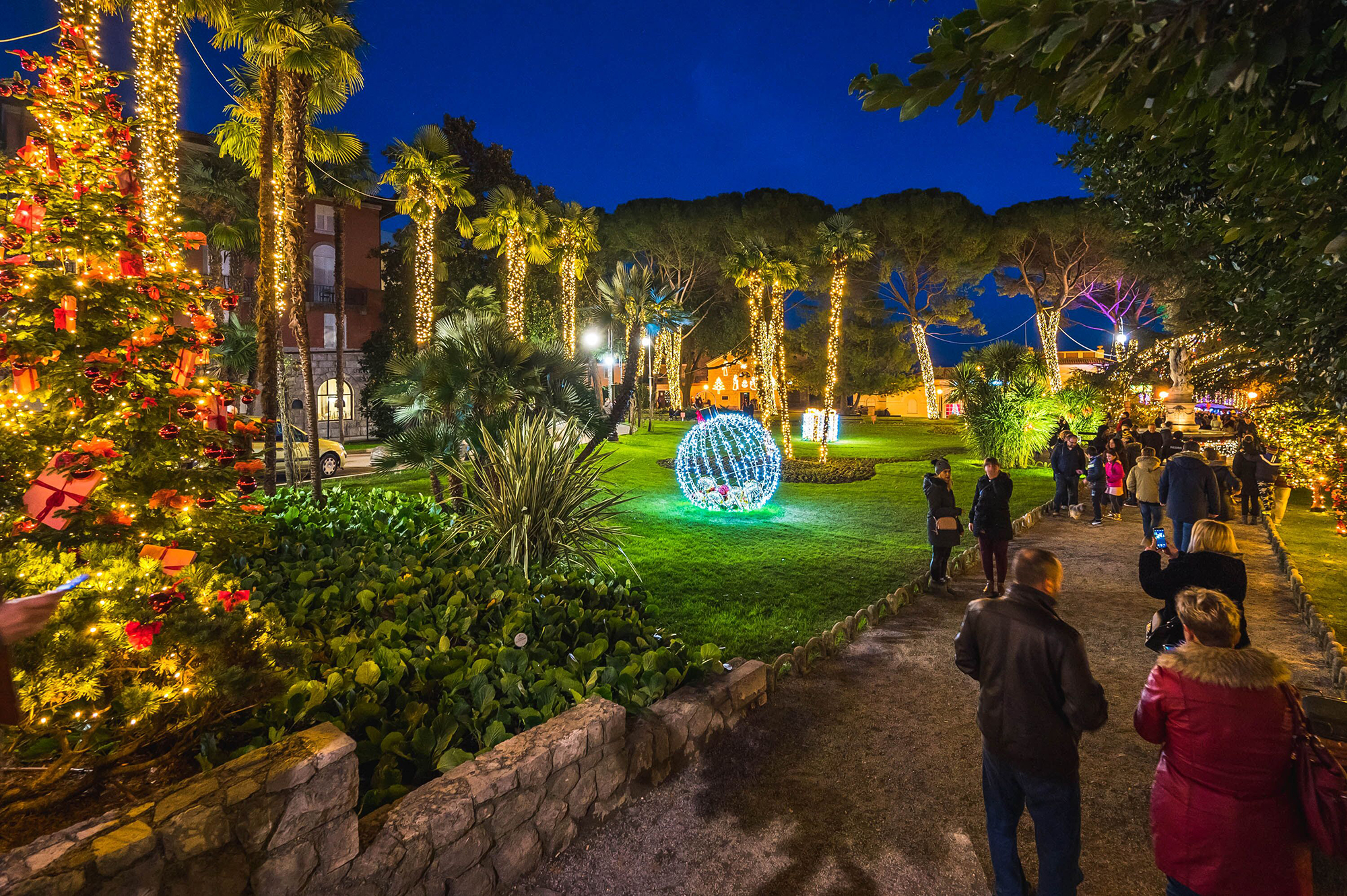
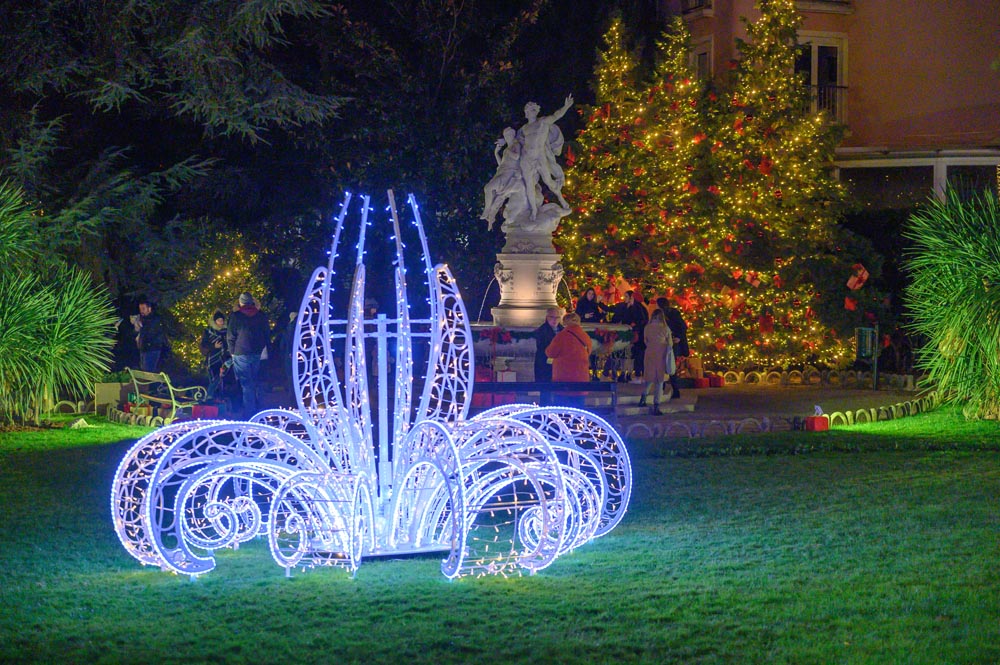
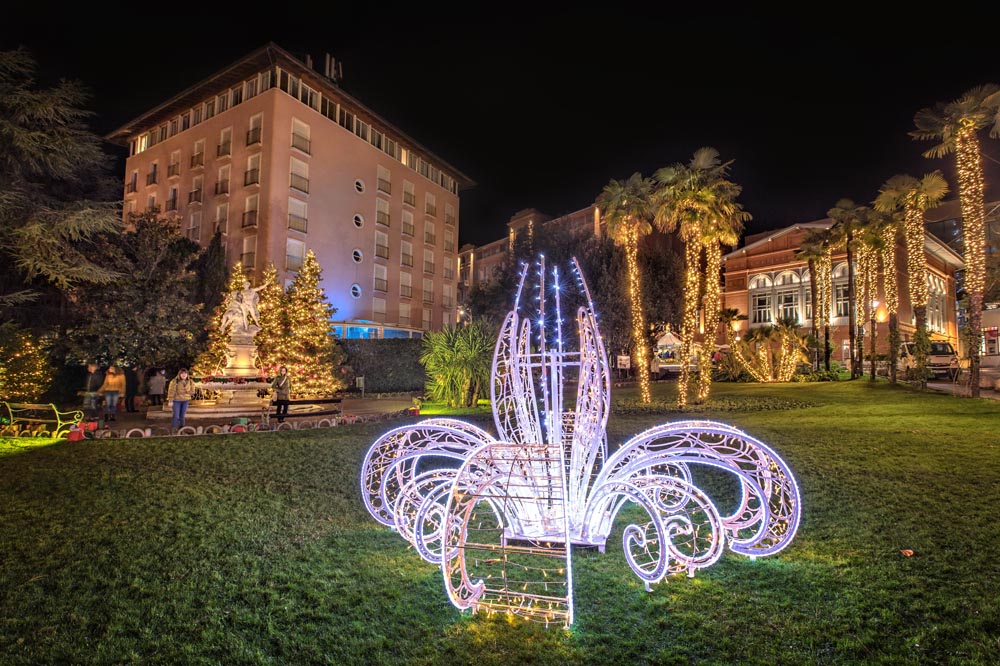
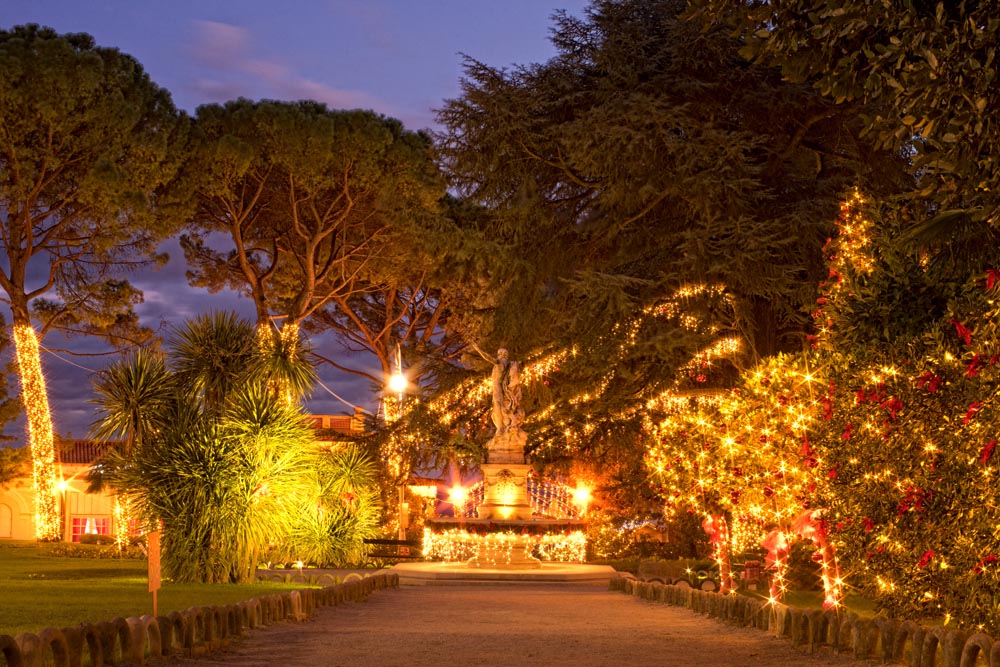
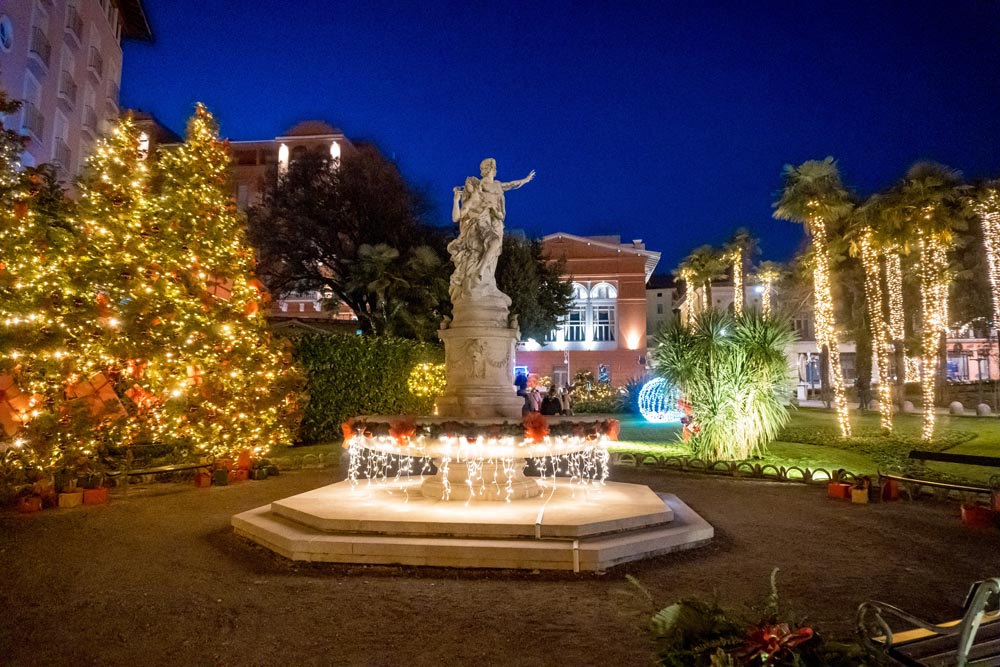
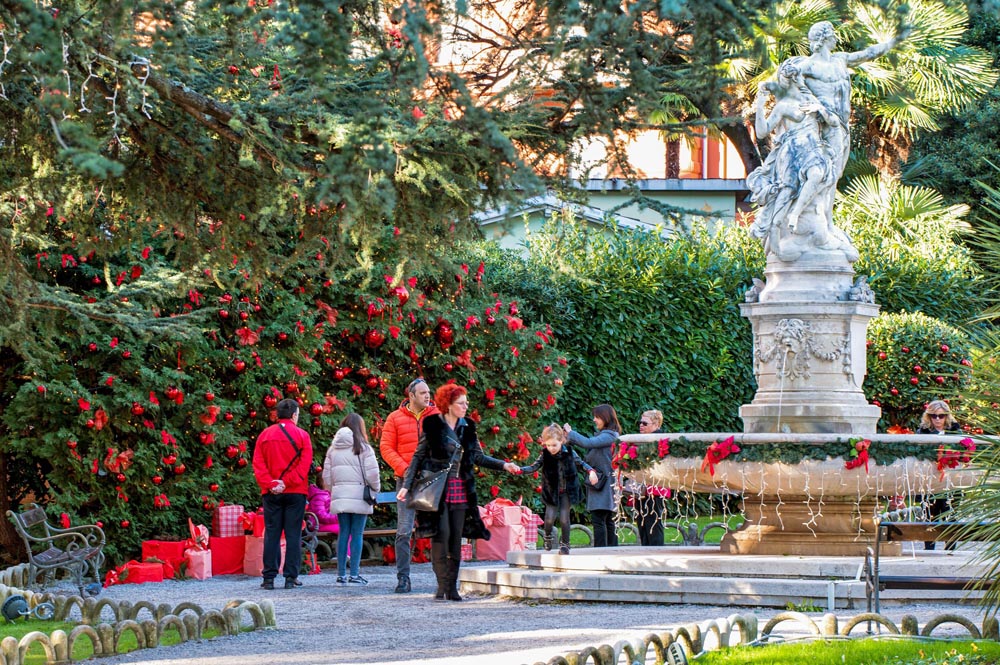
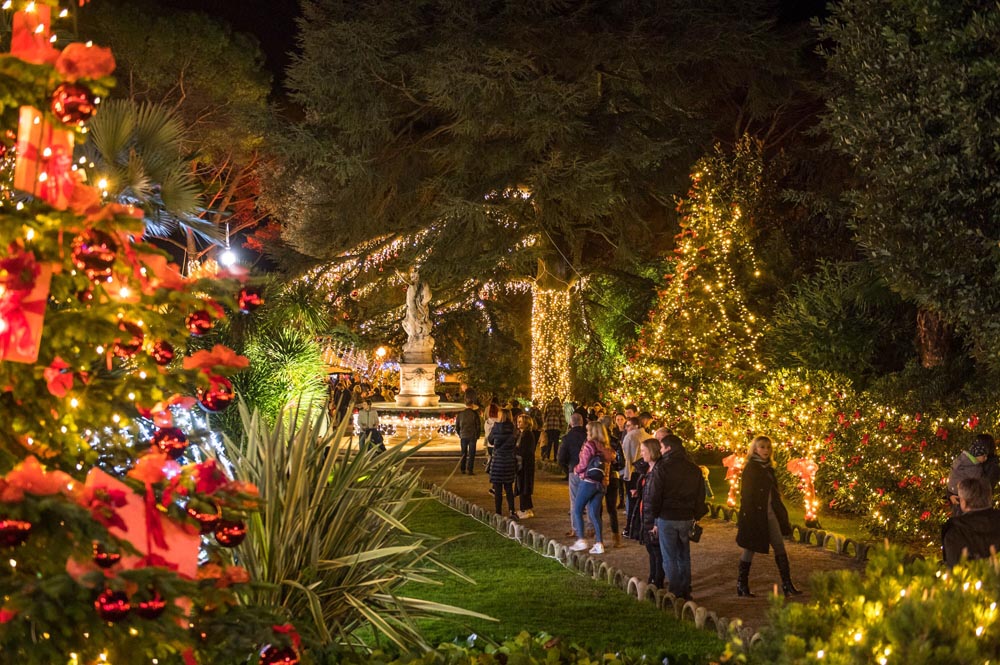
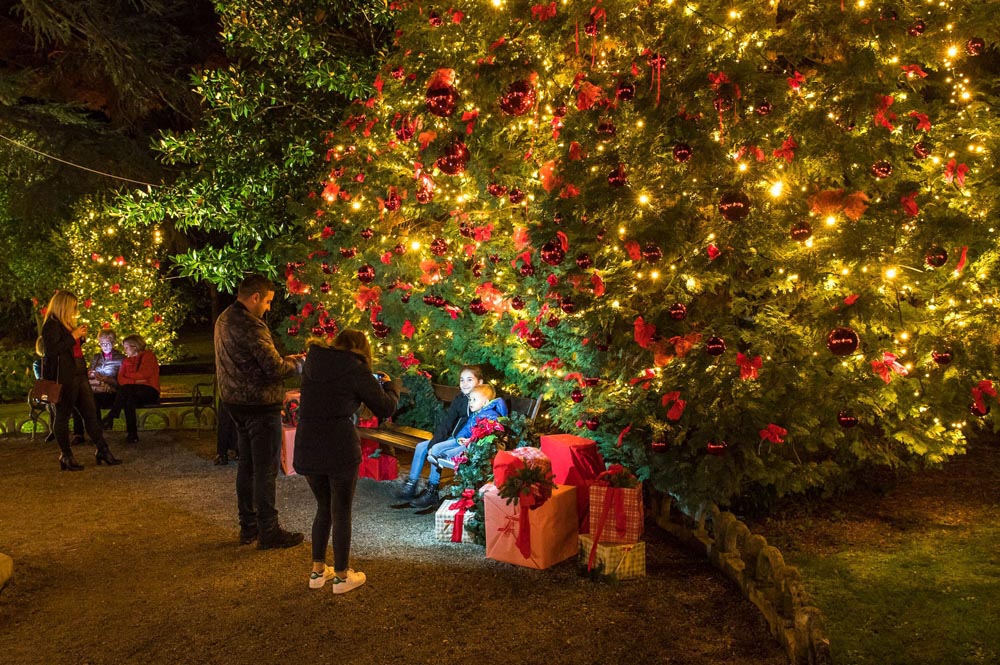
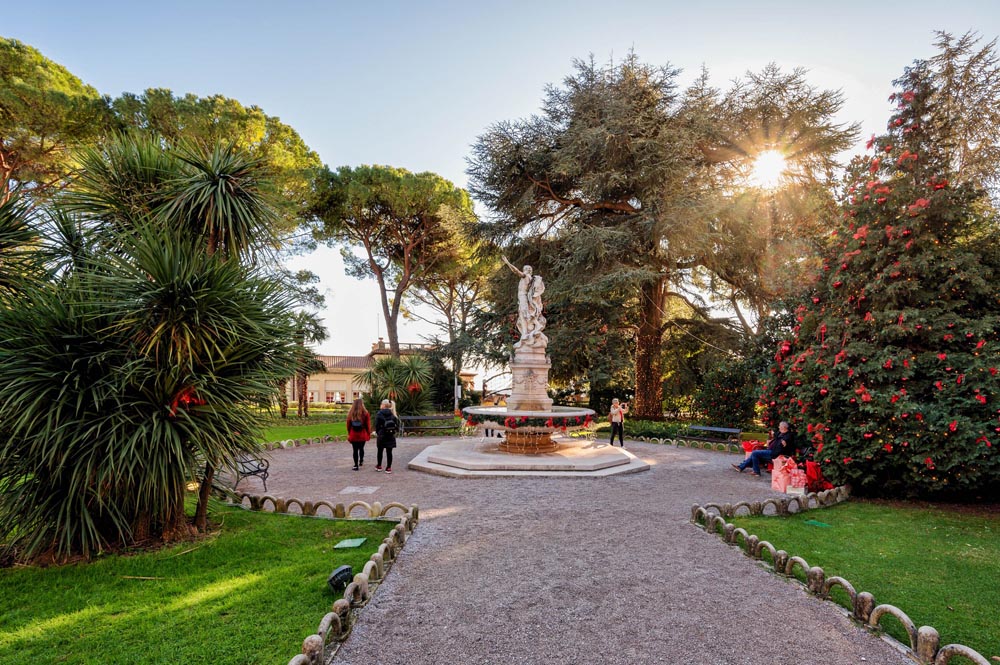
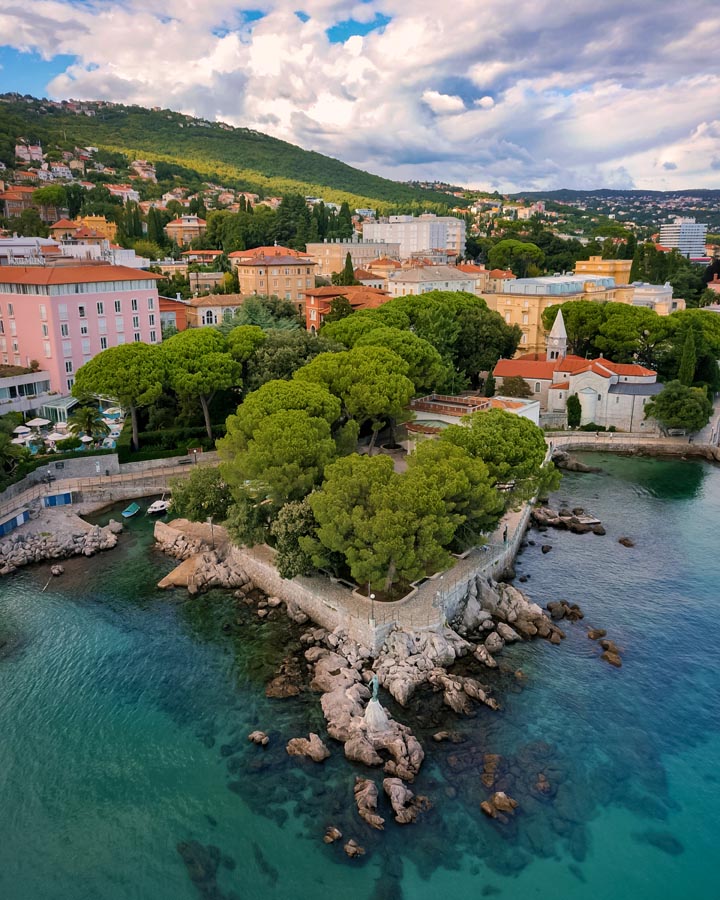
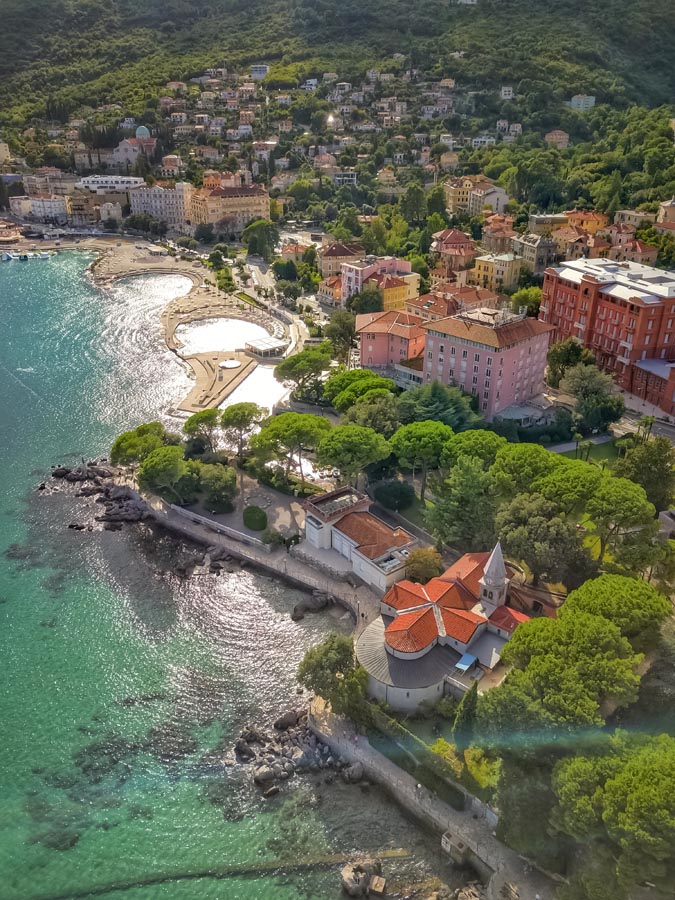
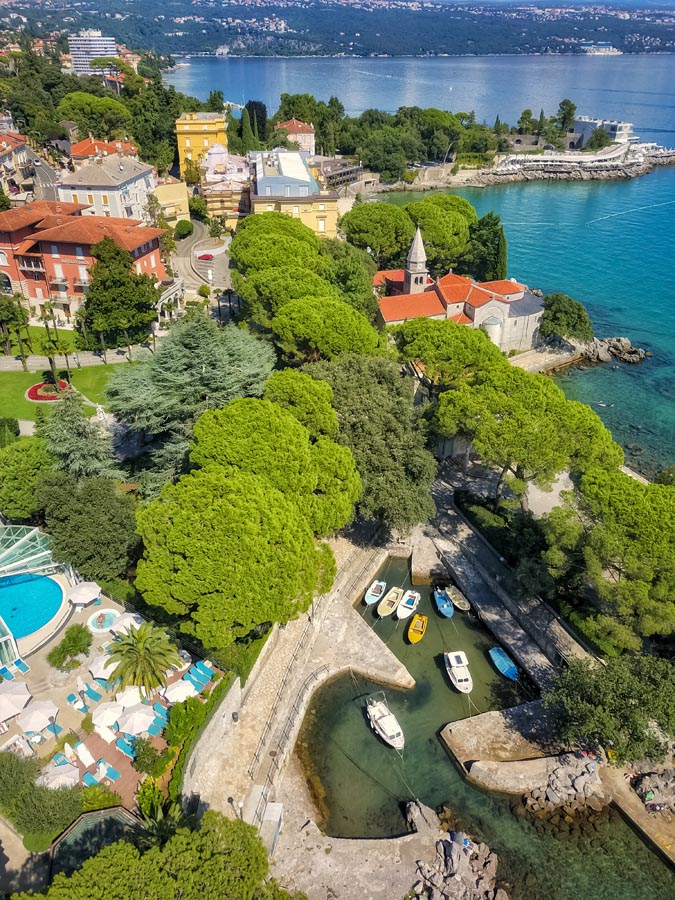
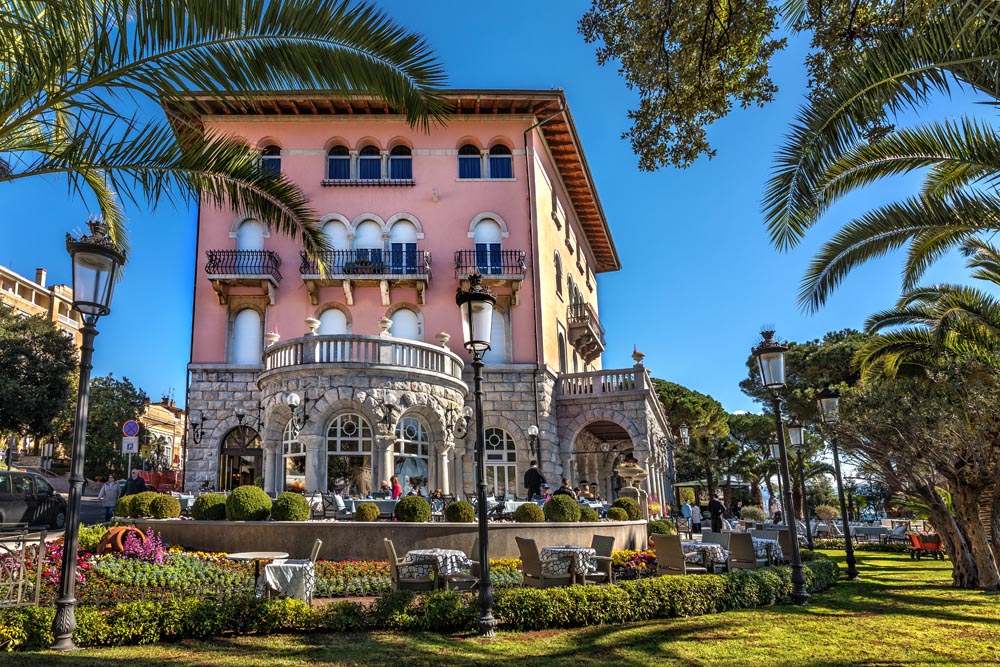
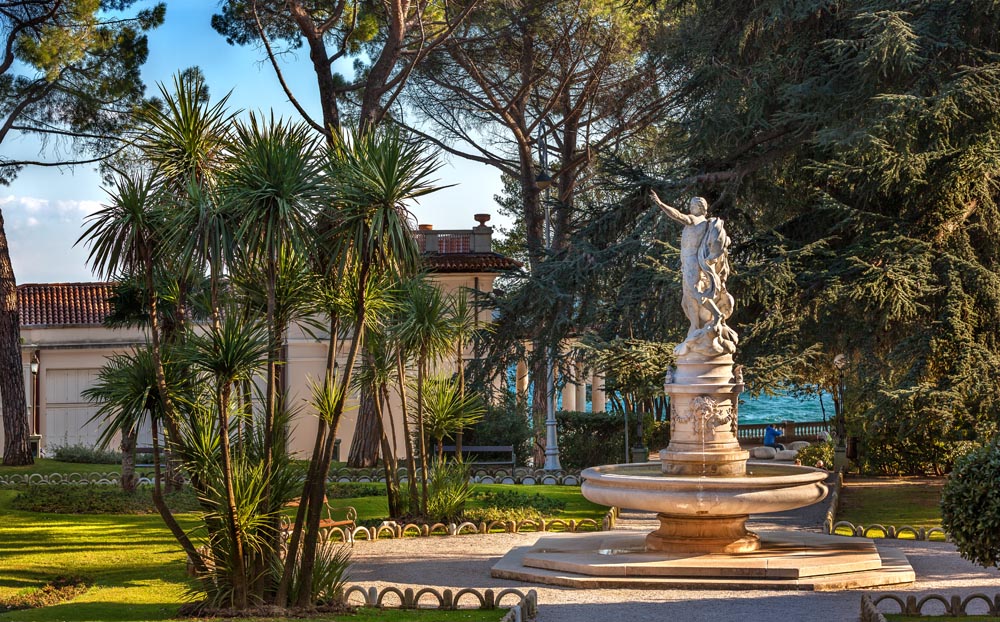
Opatija’s Sveti Jakov Park is located in the centre of the town, in the protected historic part, next to the Church of Sveti Jakov (St. James) and the former monastery. Its location was the nucleus for the development of the town. Apart from the church, the park is surrounded by several other buildings that have played an important role in the history of tourism in Opatija: the Hotel Imperial, Hotel Milenij, Juraj Šporer Arts Pavilion, and Hotel Kvarner. The park has several entrances. At the entrance from Opatija’s main street (opposite the Hotel Imperial), there is an information board with the layout of the park and the positions of some of the most important buildings and individual plant species. The park is divided into two parts: the lower part lies right by the sea, on a promontory in front of the Juraj Šporer Arts Pavilion, and the upper part is dominated by the neo-baroque fountain of 1889, the work of the sculptor Hans Ratkausky. The fountain is placed on an octagonal plateau, and in the centre of its marble basin there is a pedestal with sculptures of Helios and Selene, the God of the Sun and Goddess of the Moon in Greek mythology, an allegory of day and night. The fountain today is a popular motif in many photographs and one of the landmarks of Opatija.
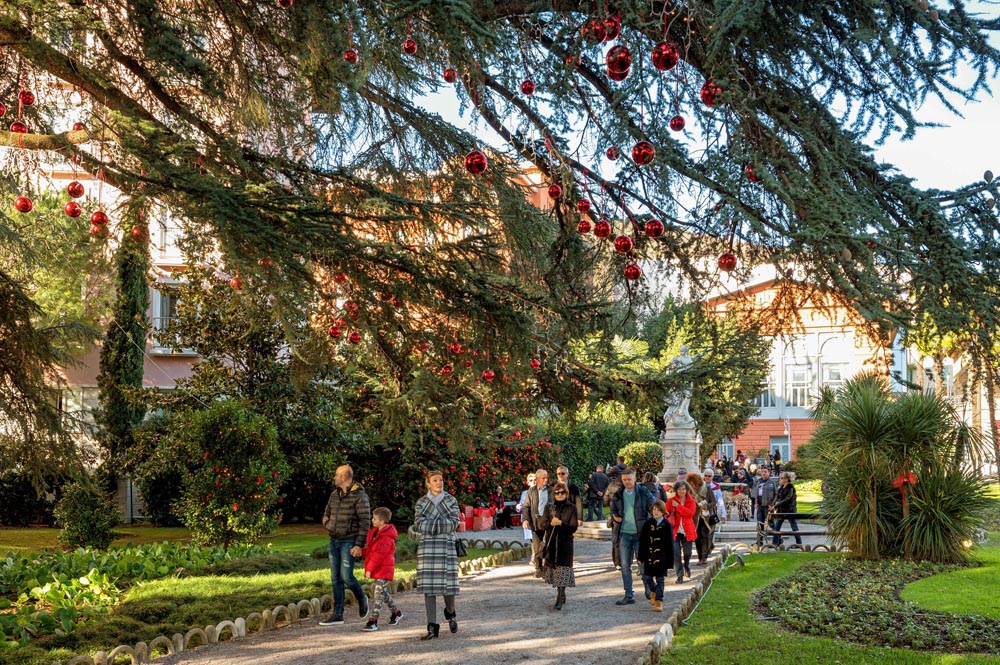
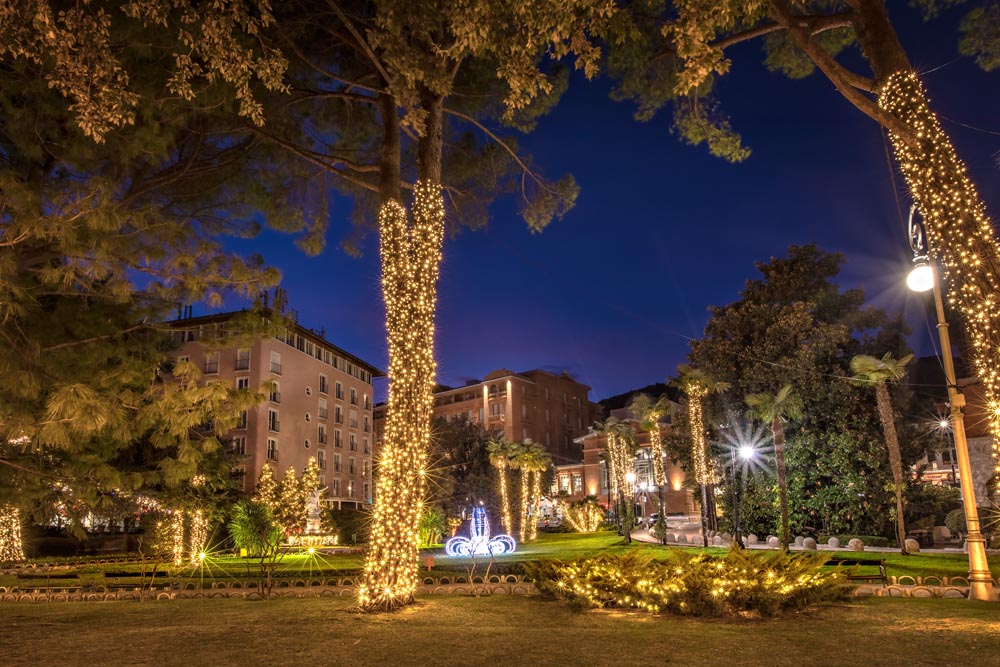
The park was originally laid out in a historicist-neo-baroque style, which on the whole has been lost after numerous modifications over the course of time. At first, the park belonged to the second hotel that was built in Opatija, the Kronprinzessin Stephanie (today the Imperial), and from the beginning was open to the public. Today, the park, thanks to its exceptionally well-manicured lawn and variety of colourful flowers and the fantastic harmony between the beautiful nature and surrounding buildings, is one the best-known motifs of Opatija and the winner of several awards for the best park in Croatia. It is home to a variety of plant species, from the indigenous laurel, to pittosporums and palms, tall pines (in the park towards the church), and a particularly impressive Atlas cedar next to the fountain, whose huge branches almost touch the ground of the pathway that leads from the fountain to the sea.