Angiolina Park
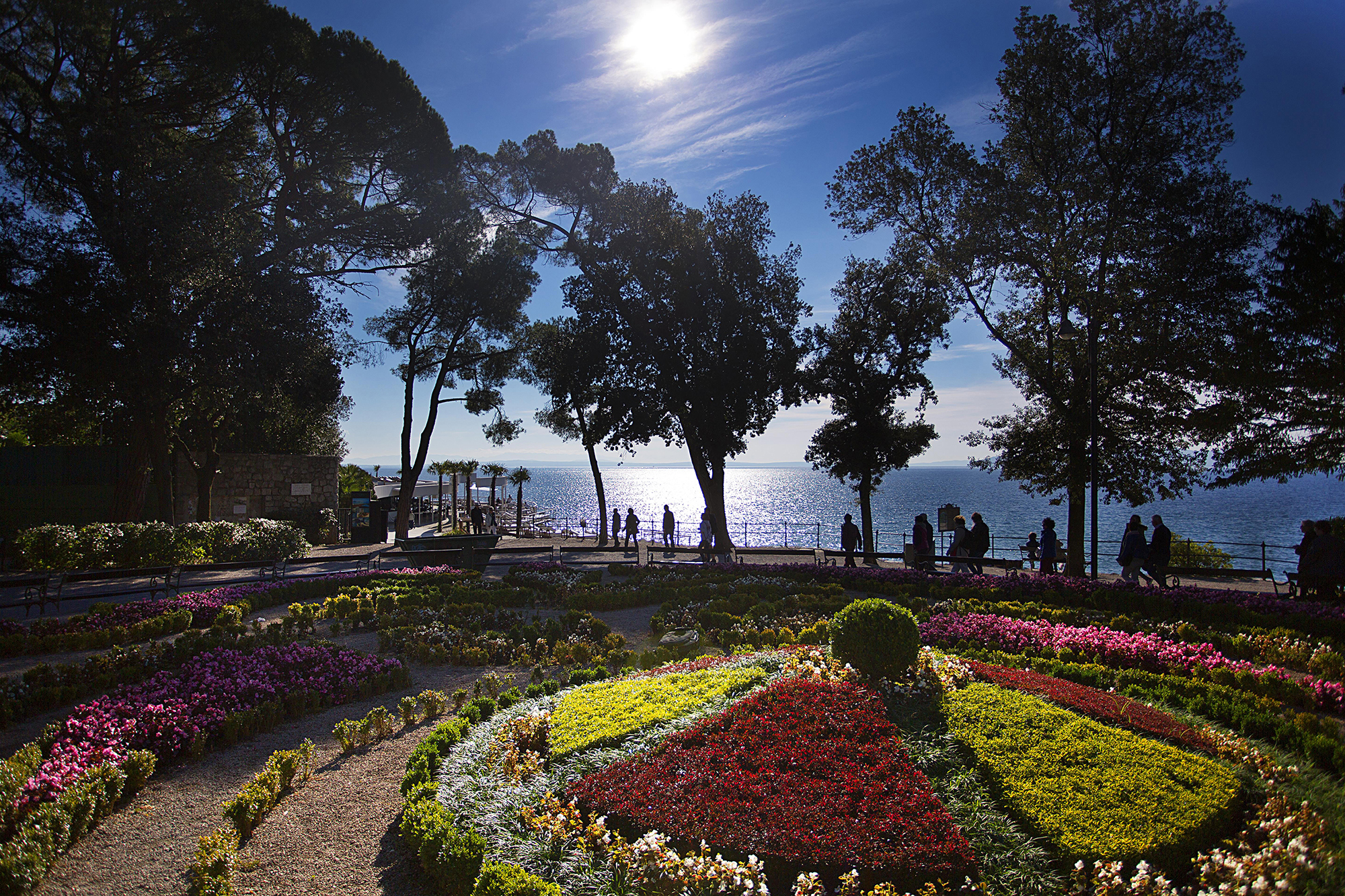
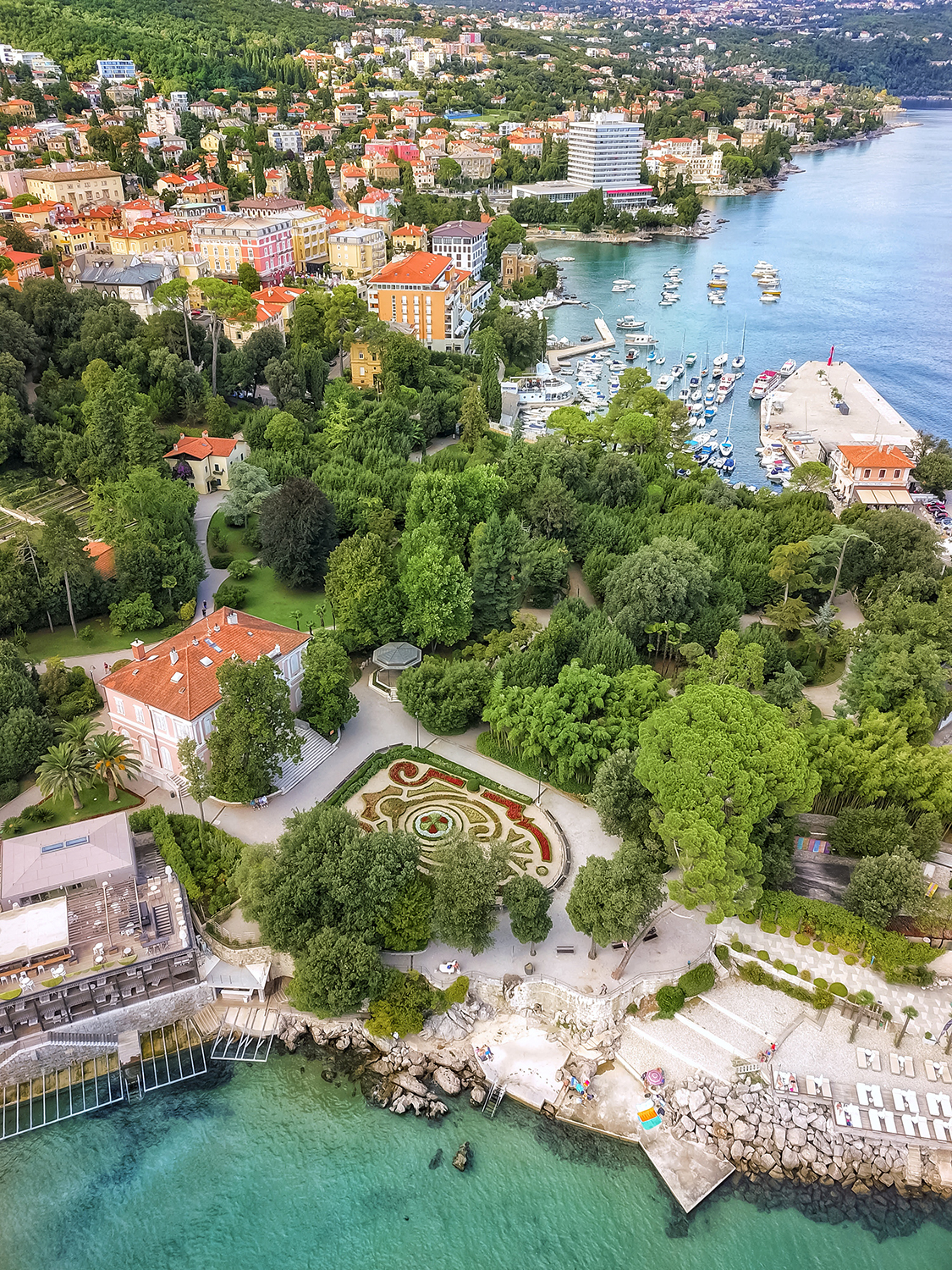
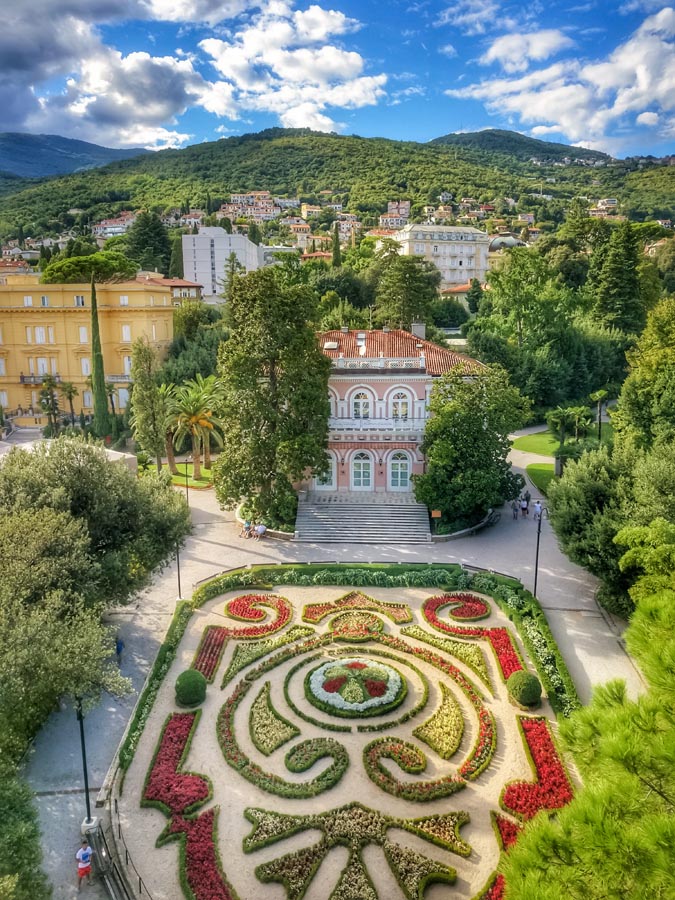
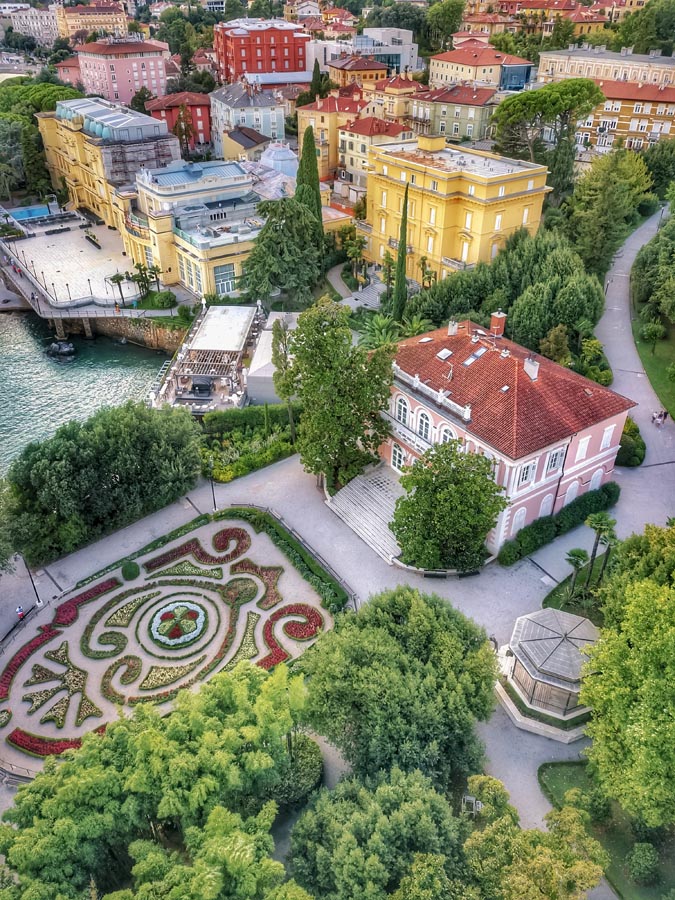
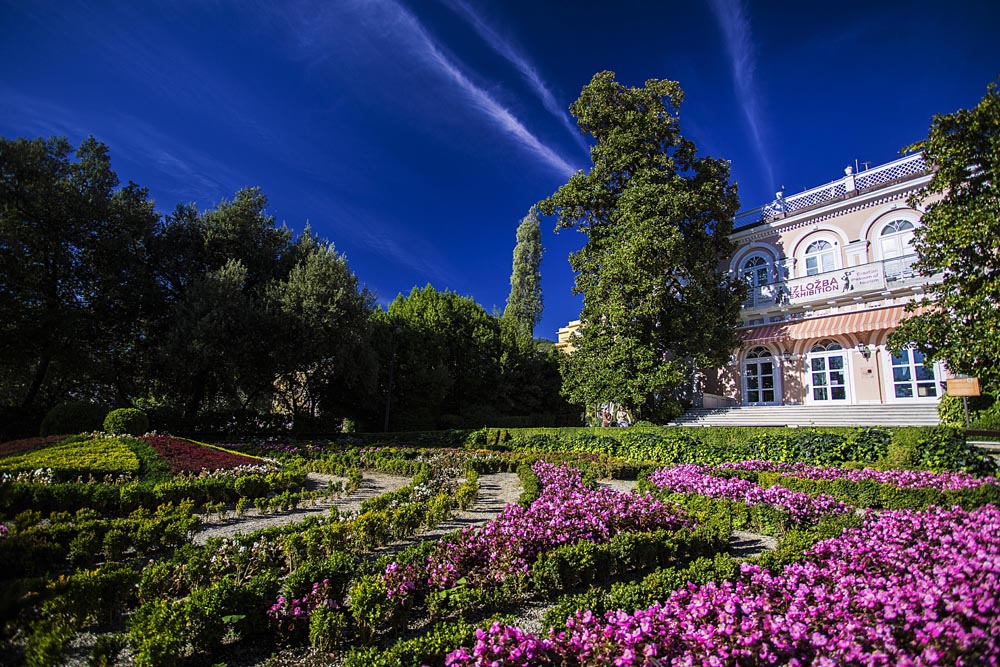
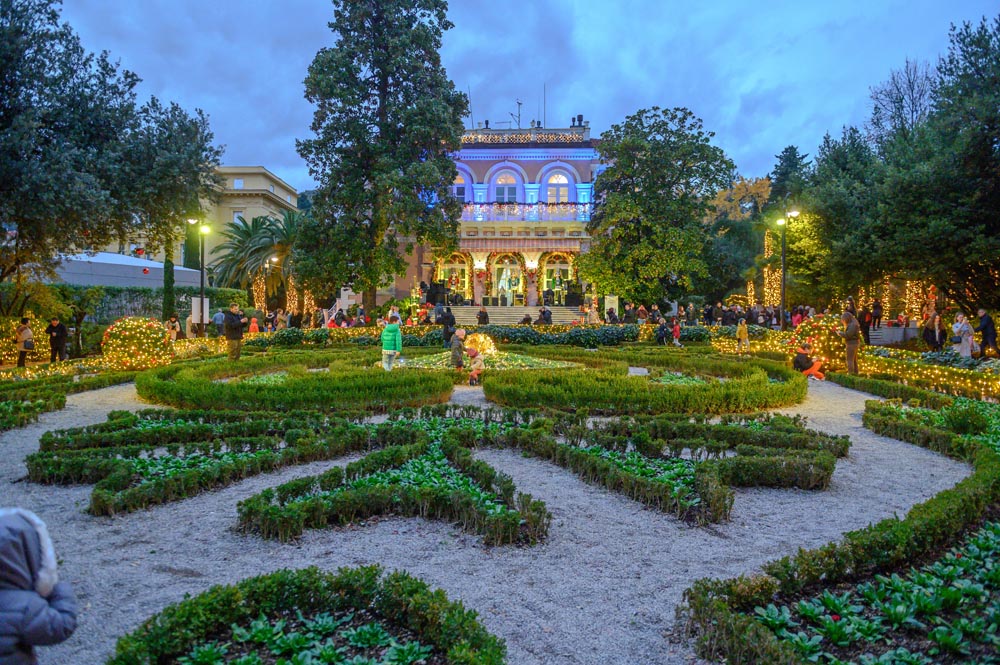
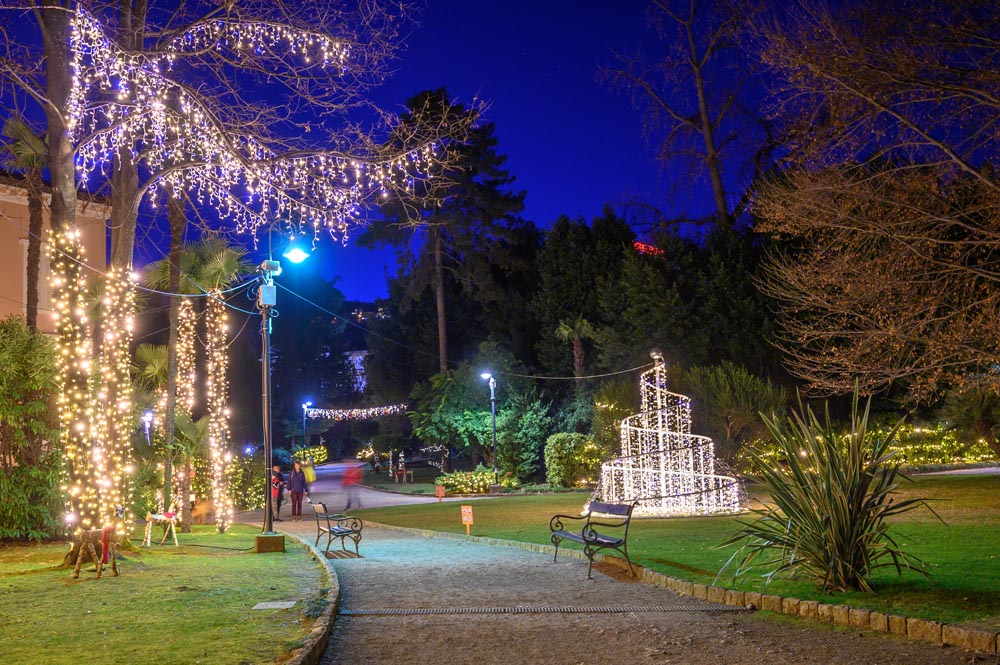
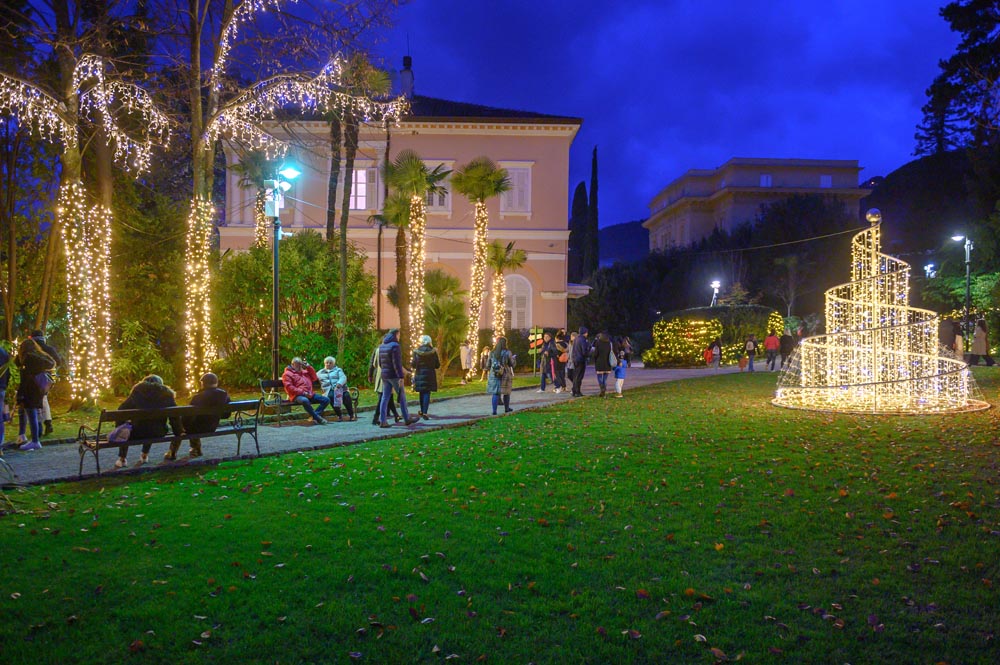
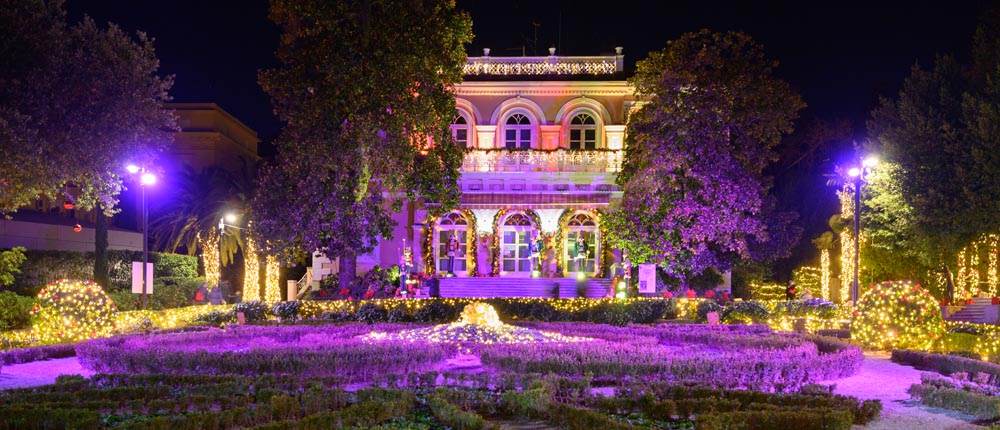
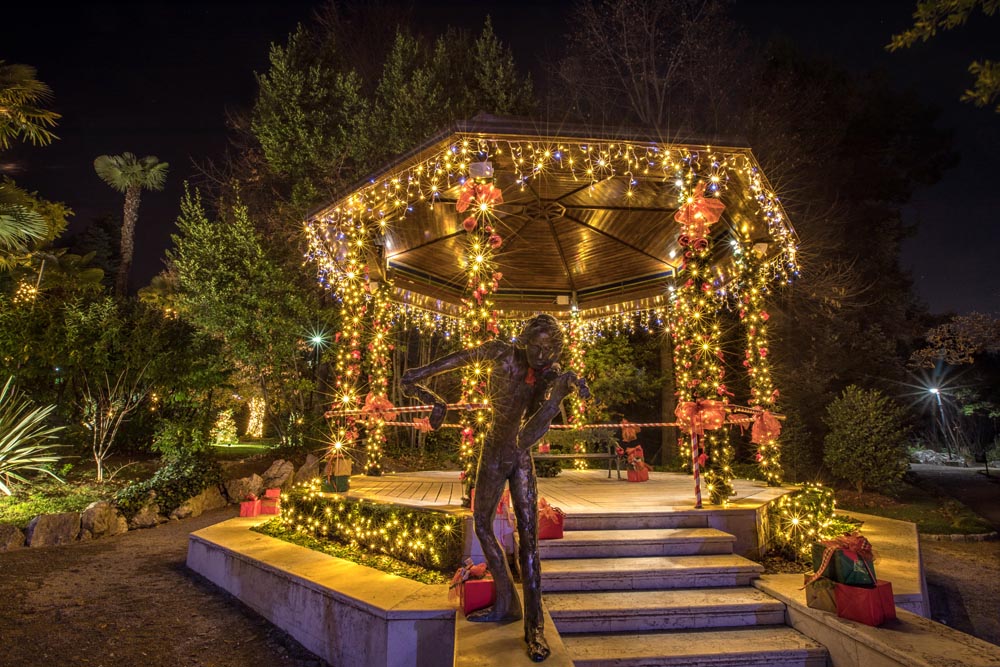
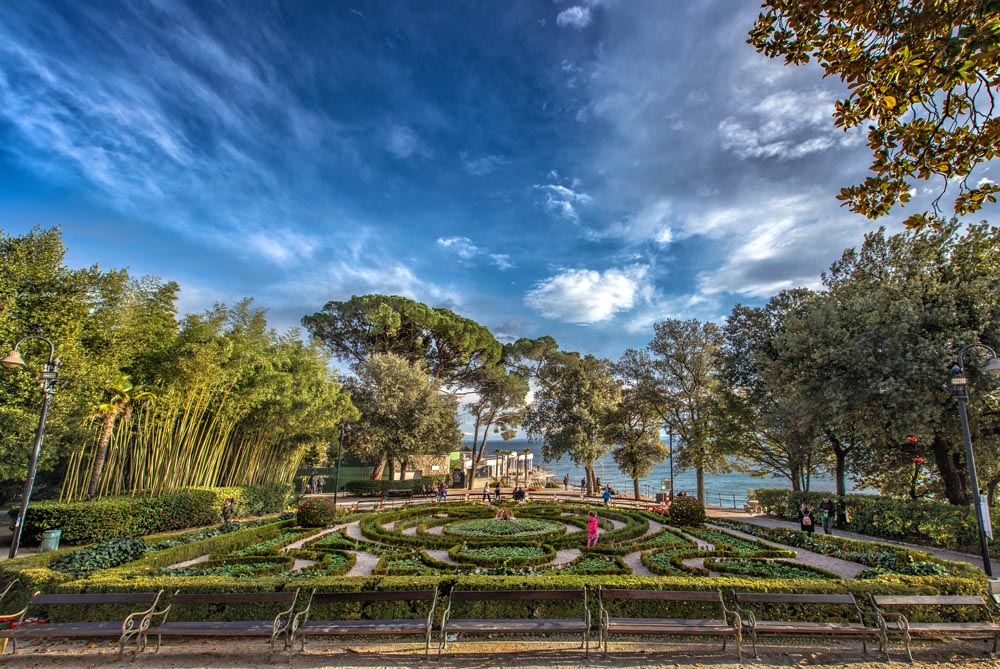
The history of the park is known already from the time of the director of Vienna’s Imperial – Royal Society for Park Constructions, Carl Schubert. He said that in the old part of the park domestic and exotic flora was planted between 1845 and 1860. In 1882, when the Society of Southern Railways came to possess the park, Carl Schubert enlarged it and reshaped it. The area in front of the Villa was in Biedermaier style with a small meadow full of various types of flowers. The larger part of the park had romantic concept of park scenery with decorated establishments like the Swiss House, the Music Pavillon and the wooden Emperor’s House (which was removed in 1950s) and everything fitted in designed environment of the „raw nature“. The rude limestone rocks, under the exotic trees from the Caucasus wilderness and California (caucasus pinewood and evergreen mammoth) interwave with the Magnolia tree, date fruits and bananas. The special park attraction is Camelia, the beauty from the Philippines, which became the symbol of Opatija.